 SpVgg Greuther Fürth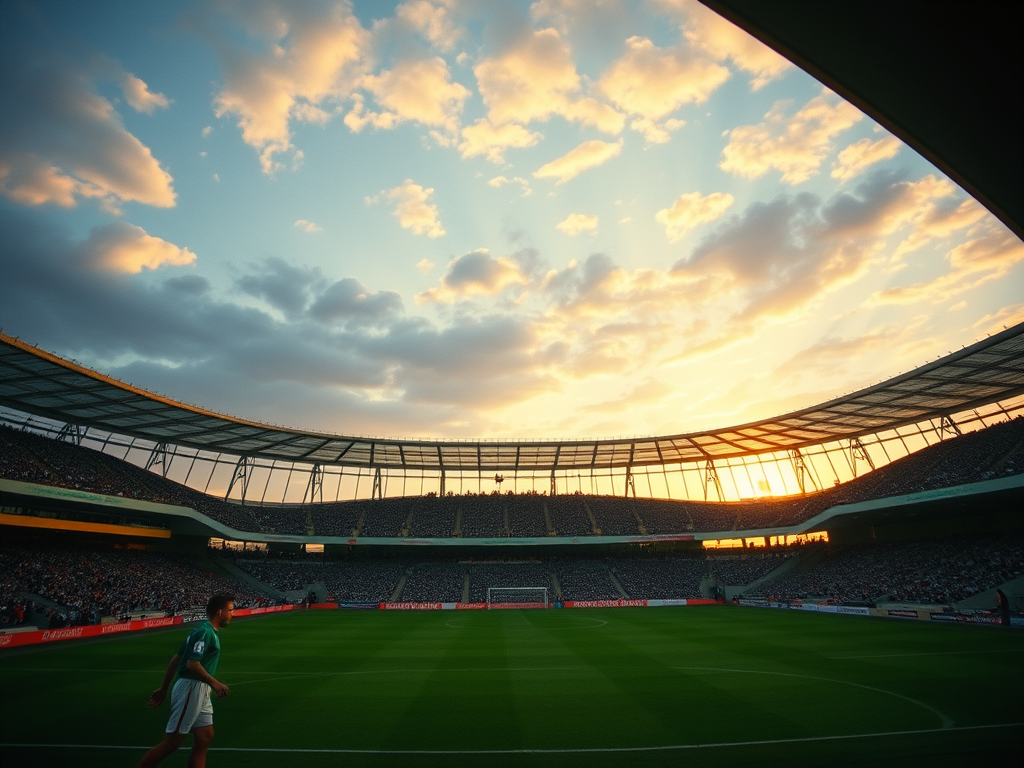
The 1970s: A Golden Era for SpVgg Greuther Fürth
The 1970s was a vibrant and transformative decade for SpVgg Greuther Fürth, a period that saw the club not only reclaim its status in German football but also foster a deep connection with its community. Emerging from the shadows of previous struggles, Die Kleeblätter experienced a renaissance that would leave an indelible mark on the club's history and its supporters.
Following a difficult period in the late 1960s, Greuther Fürth began the decade with renewed vigor. The club's management made strategic decisions that laid the foundation for success, including nurturing homegrown talents and attracting skilled players from other parts of the country. The result was a squad that blended local pride with a fighting spirit, captivating fans at the Stadion, which became a fortress during this era.
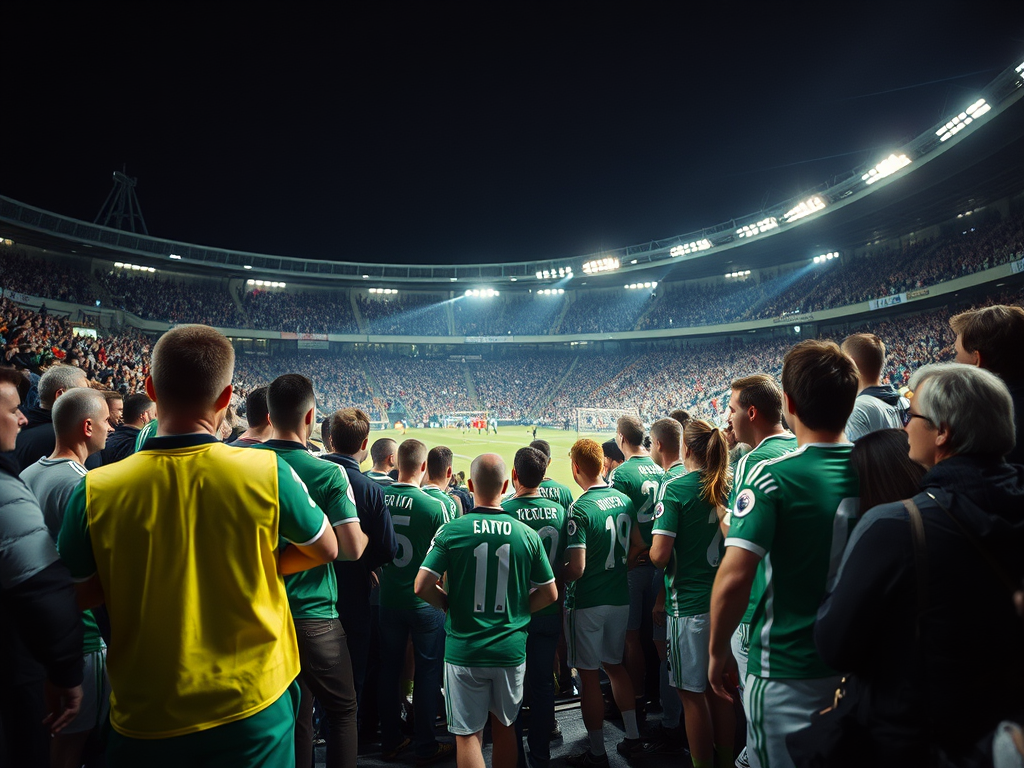
One of the most notable highlights of the 1970s was the club's strong performances in the 2. Bundesliga, where they consistently fought for promotion to the top tier of German football. Under the guidance of visionary coaches, the team showcased a brand of football that emphasized teamwork and tactical discipline, culminating in thrilling matches that drew crowds eager to witness the resurgence of their beloved club. Fans flocked to the stadium, creating an electric atmosphere that became synonymous with Greuther Fürth's home fixtures.
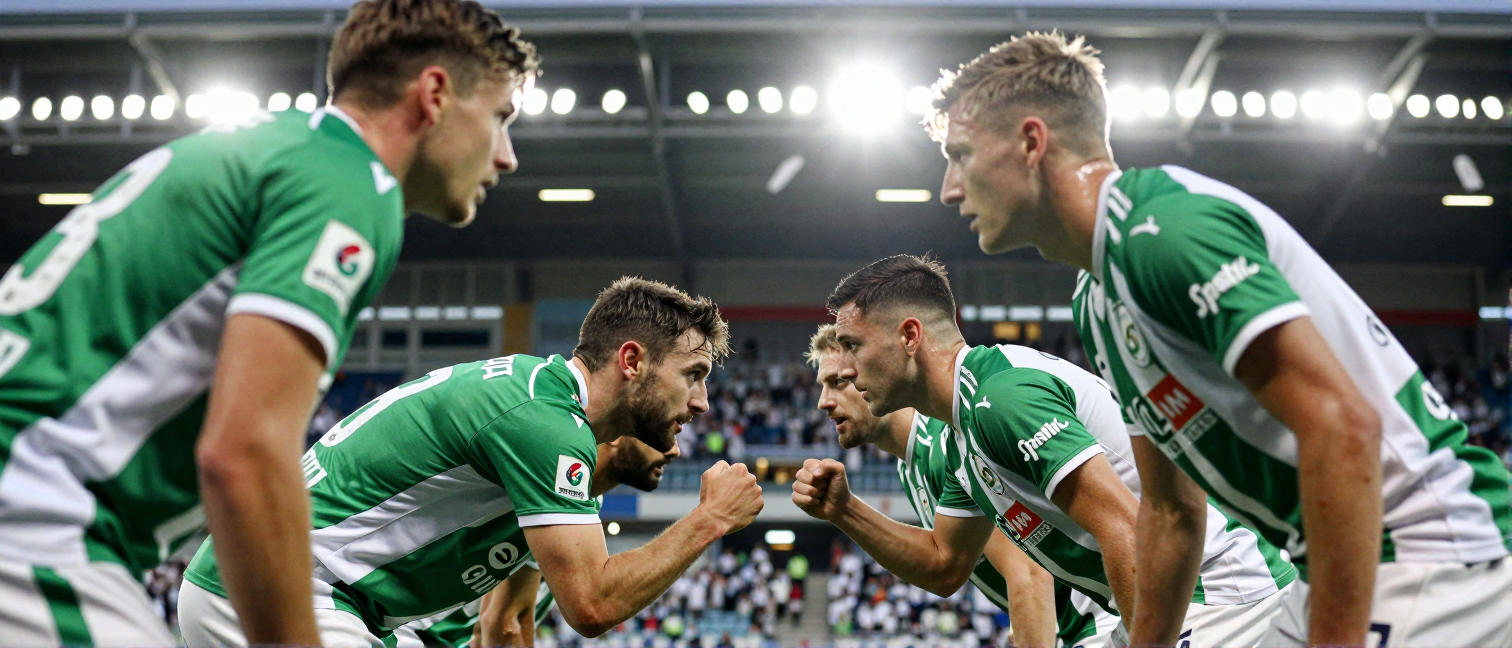
The 1970s also witnessed the rise of legendary players who donned the green and white jersey. These athletes became symbols of the club’s determination and resilience, forging a legacy that would inspire future generations. The likes of Klaus Lutz and Wolfgang Hatz were pivotal in leading the team during crucial matches, often delivering standout performances that ignited the passion of Die Kleeblätter supporters. Their contributions extended beyond the pitch; they embodied the club's spirit and became role models for aspiring footballers in the region.
As the decade progressed, the rivalry with 1. FC Nürnberg intensified, further igniting the passion of both sets of supporters. Matches against their local rivals became the highlight of the season, drawing attention from across the country. These encounters not only represented local pride but also showcased the fierce competitive spirit that has always defined German football. The atmosphere during these derbies was electric, with fans creating a vibrant tapestry of chants and colors that echoed through the stadium.
Off the pitch, the club invested in its youth academy, recognizing the importance of developing local talent. This foresight would pay dividends as many young players graduated to the first team, weaving their stories into the fabric of Greuther Fürth's history. The commitment to youth development ensured that the club remained competitive while fostering a sense of belonging among its supporters.
As the 1970s drew to a close, SpVgg Greuther Fürth stood at a crossroads, ready to embrace the challenges of the next decade. The successes of this era not only solidified the club's reputation but also deepened the bond between the team and its passionate fanbase. For Die Kleeblätter, the 1970s were not just a time of victories; they were a celebration of community, resilience, and the enduring spirit of football in Fürth.
In reflecting on this golden era, it is clear that the foundation laid in the 1970s continues to influence the identity of SpVgg Greuther Fürth today. The lessons learned during this transformative decade remain relevant, reminding current players and fans alike of the club's rich history and the unwavering support that propels Die Kleeblätter forward.